


📘 Introduction: Why Stop Loss & Take Profit Matter More Than Your Trade Setup
Most beginners focus only on entries — “Kab buy karein?” — but the truth is:
👉 Your exit decides your profit or loss, not your entry.
Stop Loss (SL) and Take Profit (TP) are the two most important pillars of safe trading.
Without them, even a good trader eventually wipes out their account.
This guide explains:
- What SL & TP are
- Why they protect you
- Best strategies to calculate both
- Real trading examples
- Mistakes traders make
- Pro-level tips to grow consistently
Let’s begin your journey towards safe, profitable trading.
📍 What is Stop Loss? (SL)
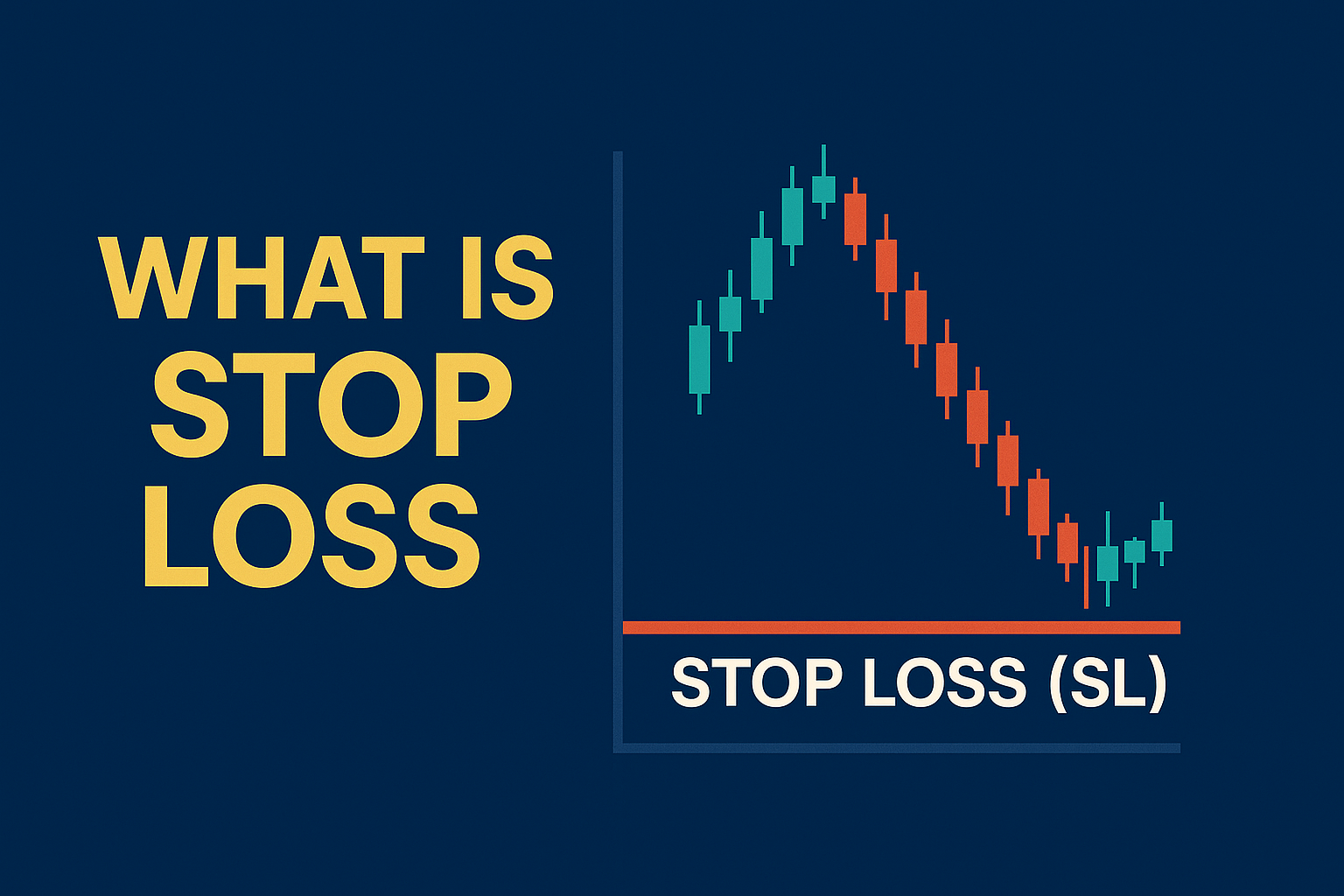
Stop Loss is a pre-decided price level where you automatically exit a losing trade.
It protects your capital when the market moves against you.
Why Stop Loss Is Important
- Prevents big losses
- Controls emotions
- Helps you trade with discipline
- Saves your account during volatile moves
- Makes trading stress-free
Think of SL like a seatbelt — you hope you don’t need it, but it saves you when something goes wrong.
📍 What is Take Profit? (TP)
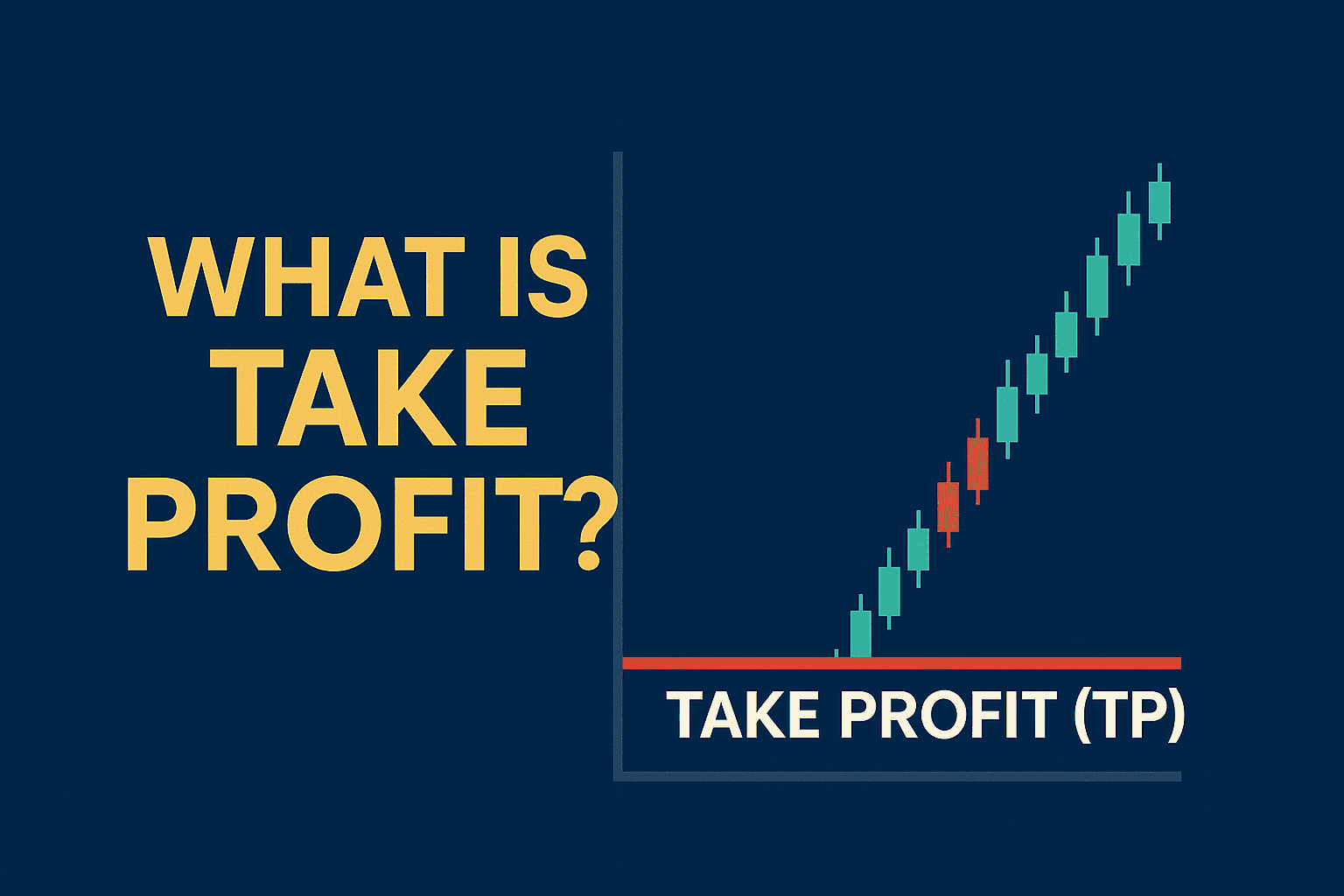
Take Profit is a pre-decided price where you exit in profit automatically.
Why Take Profit Helps You Win
- Locks in profits before market reverses
- Removes greed
- Ensures systematic profit booking
- Helps maintain risk–reward ratio
- Makes earnings consistent
TP protects traders from “Thoda aur wait kar leta hoon…” type mistakes.
🎯 How to Set Stop Loss Correctly
Setting Stop Loss is an art + science. Here are the most effective methods:
1️⃣ Percentage-Based Stop Loss
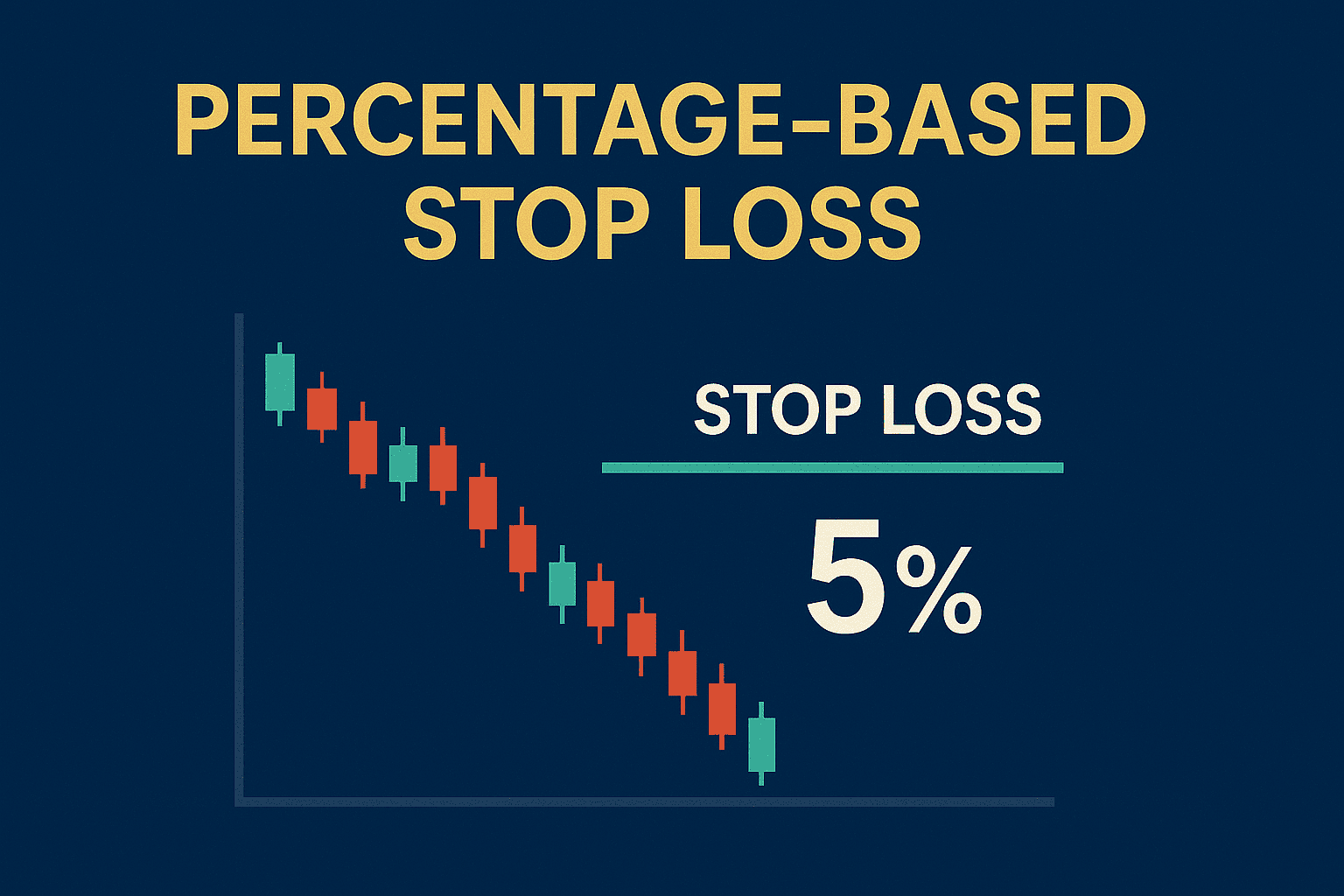
Very beginner-friendly.
Example:
- Risk only 1% of your capital per trade.
- If capital = ₹50,000 → max loss allowed = ₹500.
Simple and safe.
2️⃣ Technical Levels Stop Loss
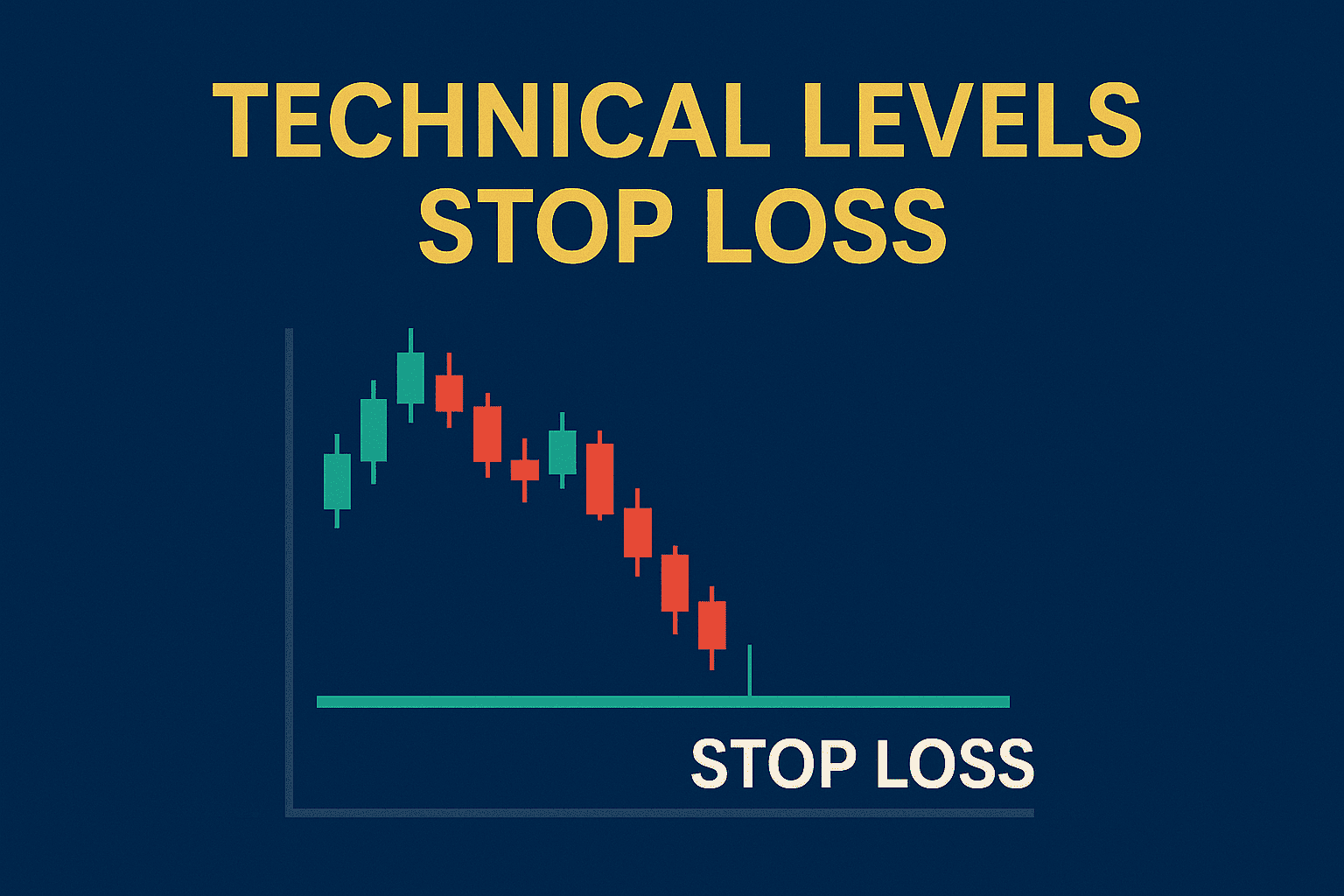
SL placed below/above key technical zones:
- Support
- Resistance
- Swing highs & lows
- Breakout/breakdown levels
- Moving averages
- Trendlines
Example:
If Bank Nifty breaks support at 48500, your SL should be just below it — like 48460.
3️⃣ ATR-Based Stop Loss
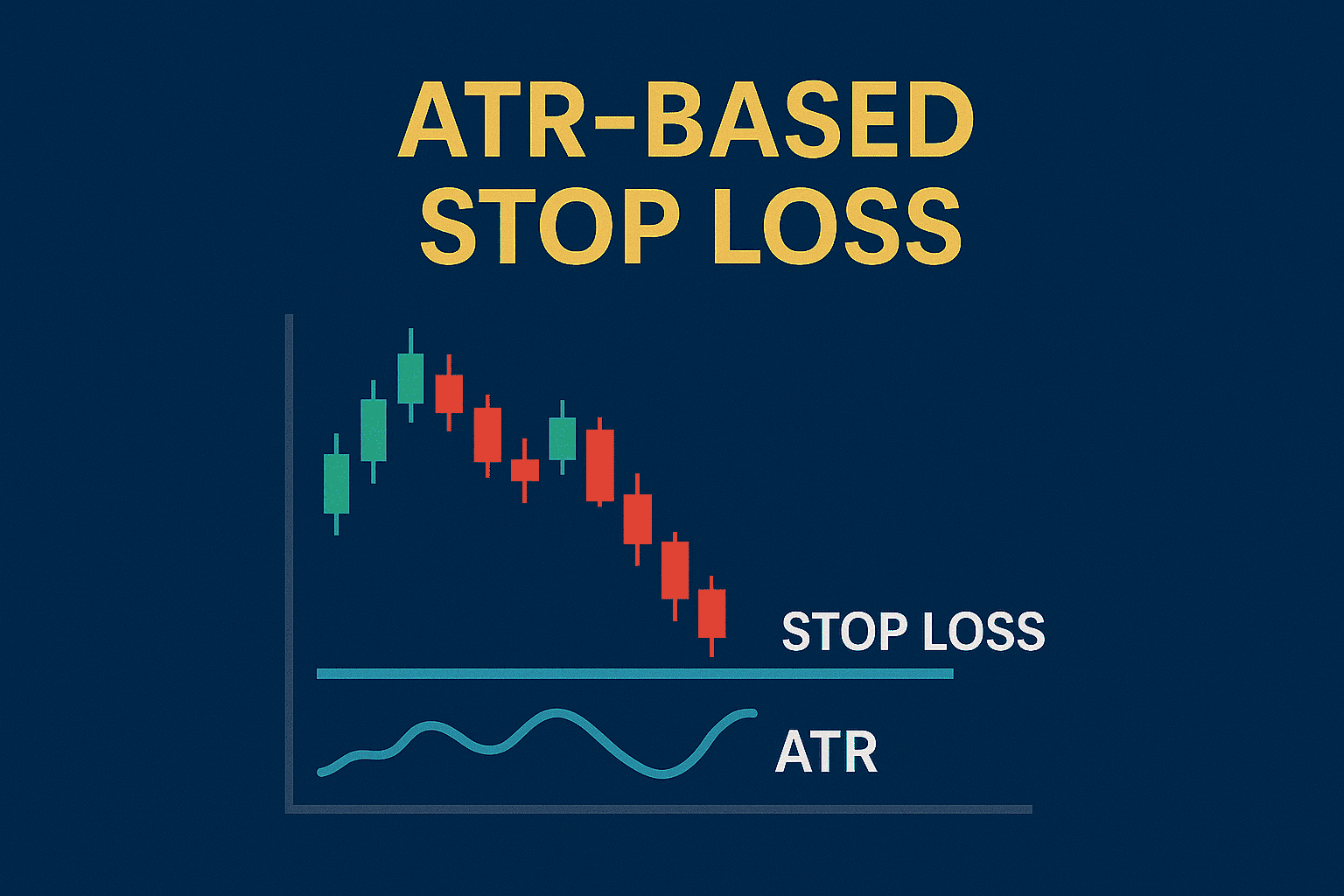
ATR (Average True Range) shows market volatility.
Formula:
SL = Entry Price – (ATR × Multiplier)
Perfect for intraday and swing trades.
4️⃣ Candle-Based Stop Loss
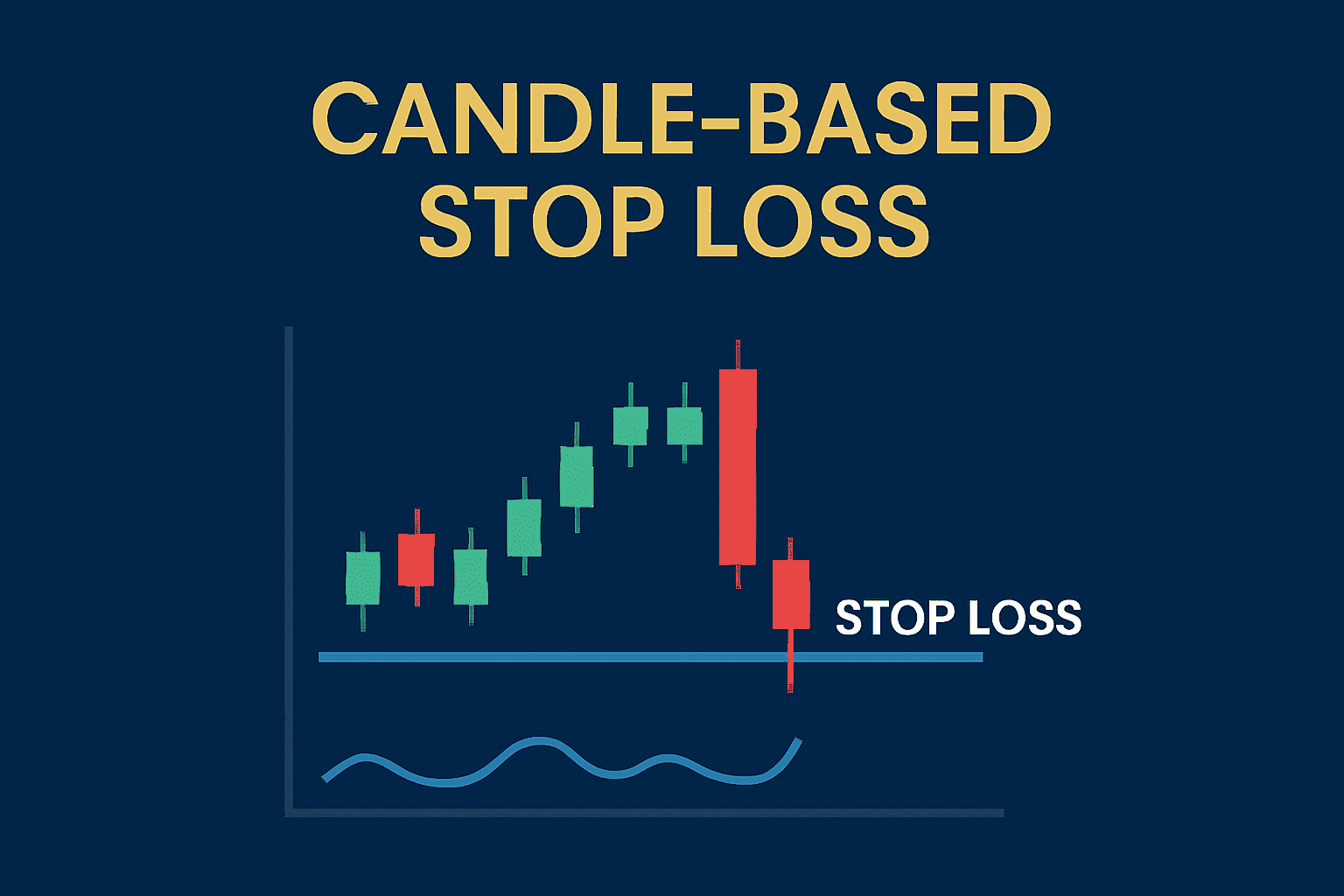
SL placed below/above:
- Previous candle low
- Doji low/high
- Hammer low
- Engulfing lower wick
This works great for price action traders.
5️⃣ Time-Based Stop Loss
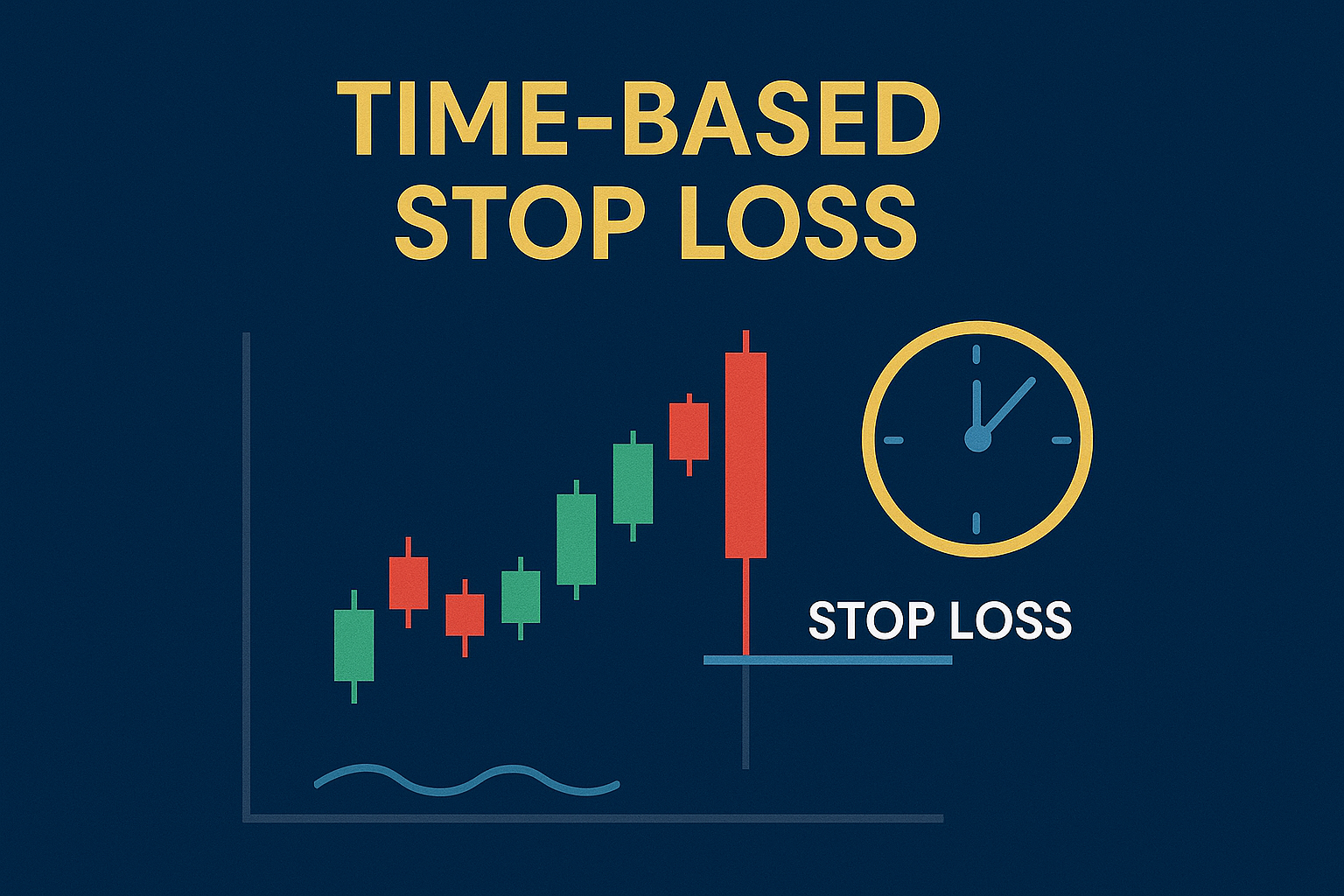
If your trade doesn’t move in expected direction within a certain time, EXIT.
Best for intraday.
🎯 How to Set Take Profit Levels
Here are top methods to set TP accurately:
1️⃣ Risk–Reward Ratio (RRR) Method
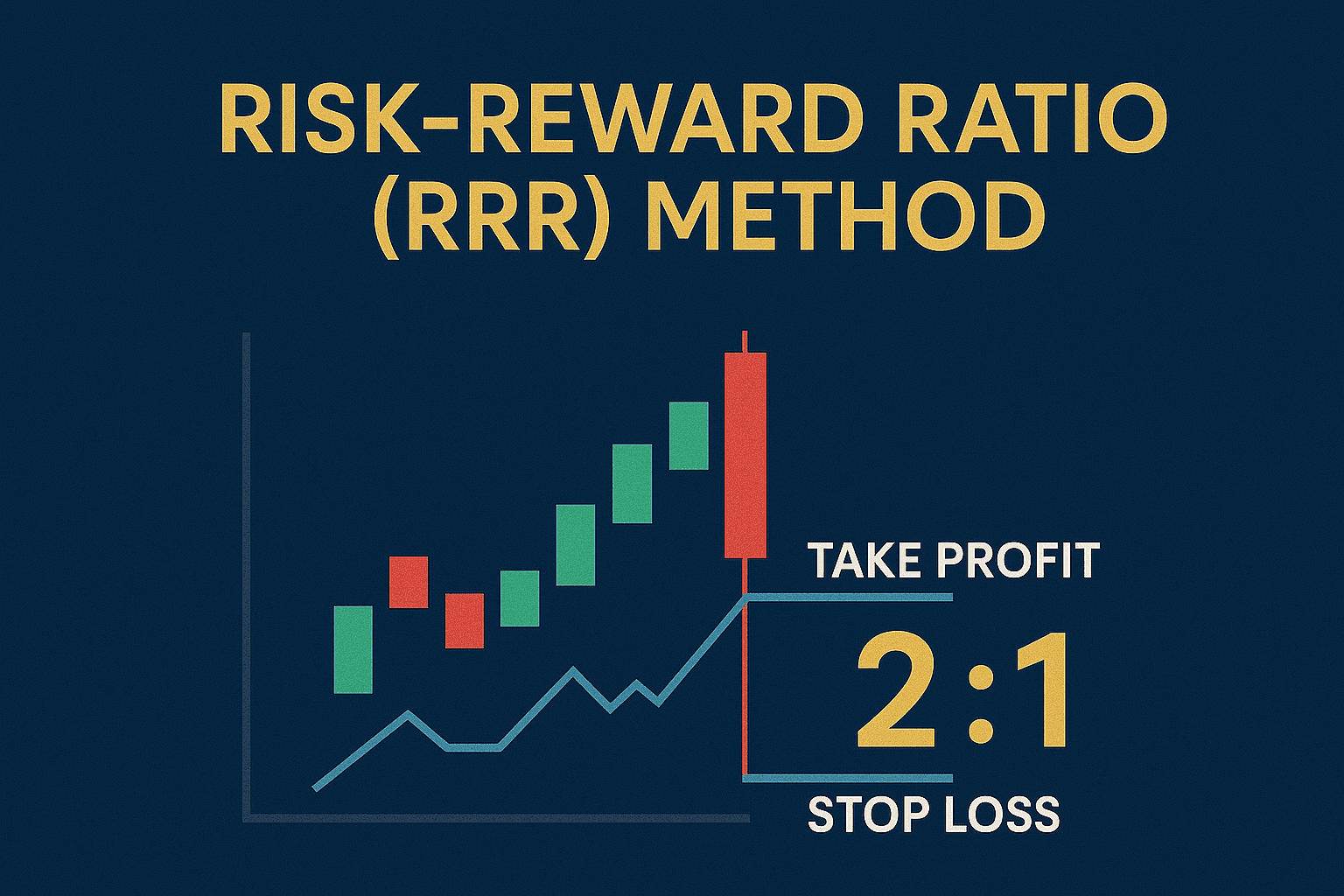
Most reliable.
If your SL = ₹10
Take Profit should be = ₹20 (RRR = 1:2)
Professional traders use RRR between 1:2 to 1:3.
2️⃣ Support & Resistance Targets
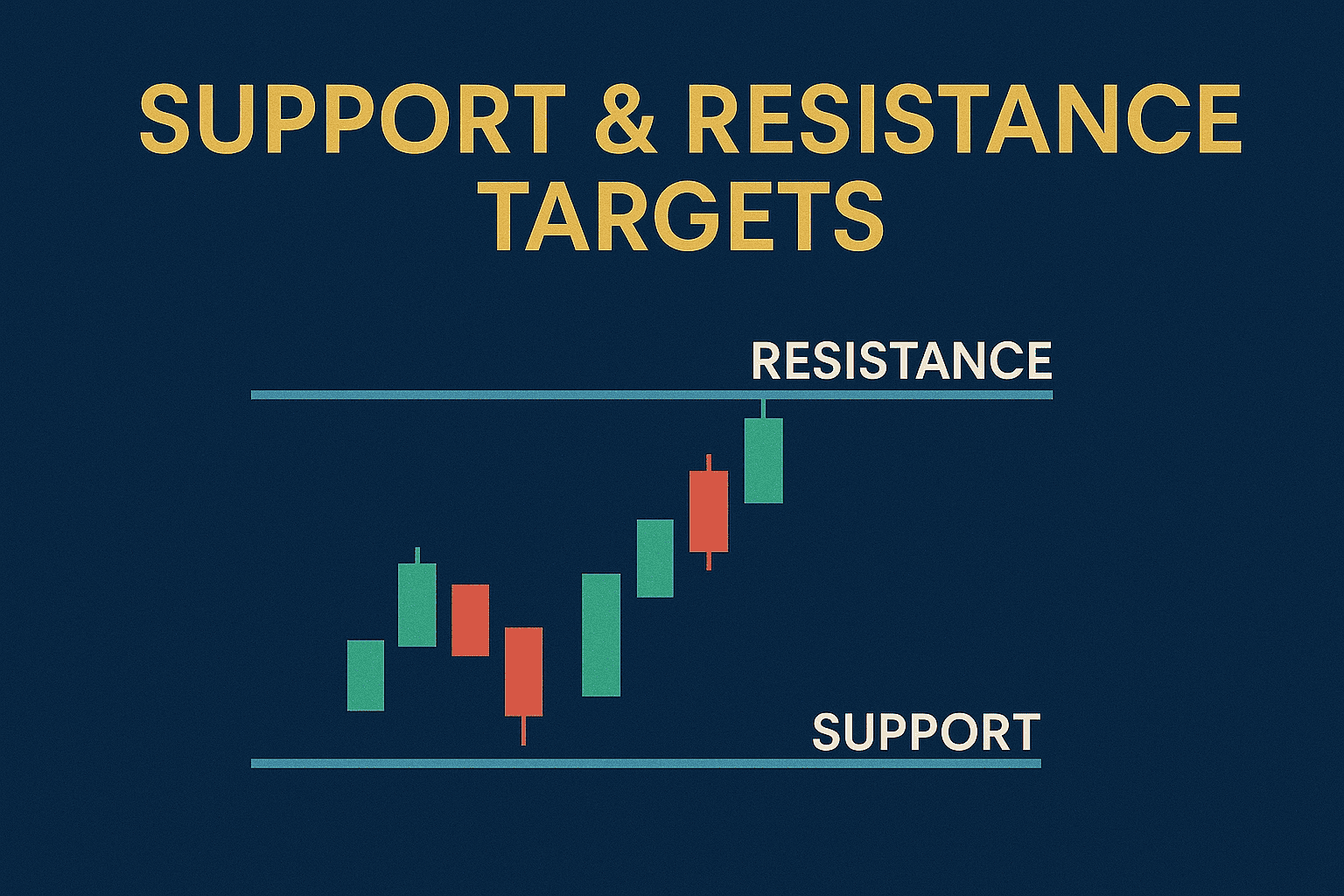
Book profit at:
- Next resistance (in uptrend)
- Next support (in downtrend)
Simple & powerful.
3️⃣ Fibonacci Levels
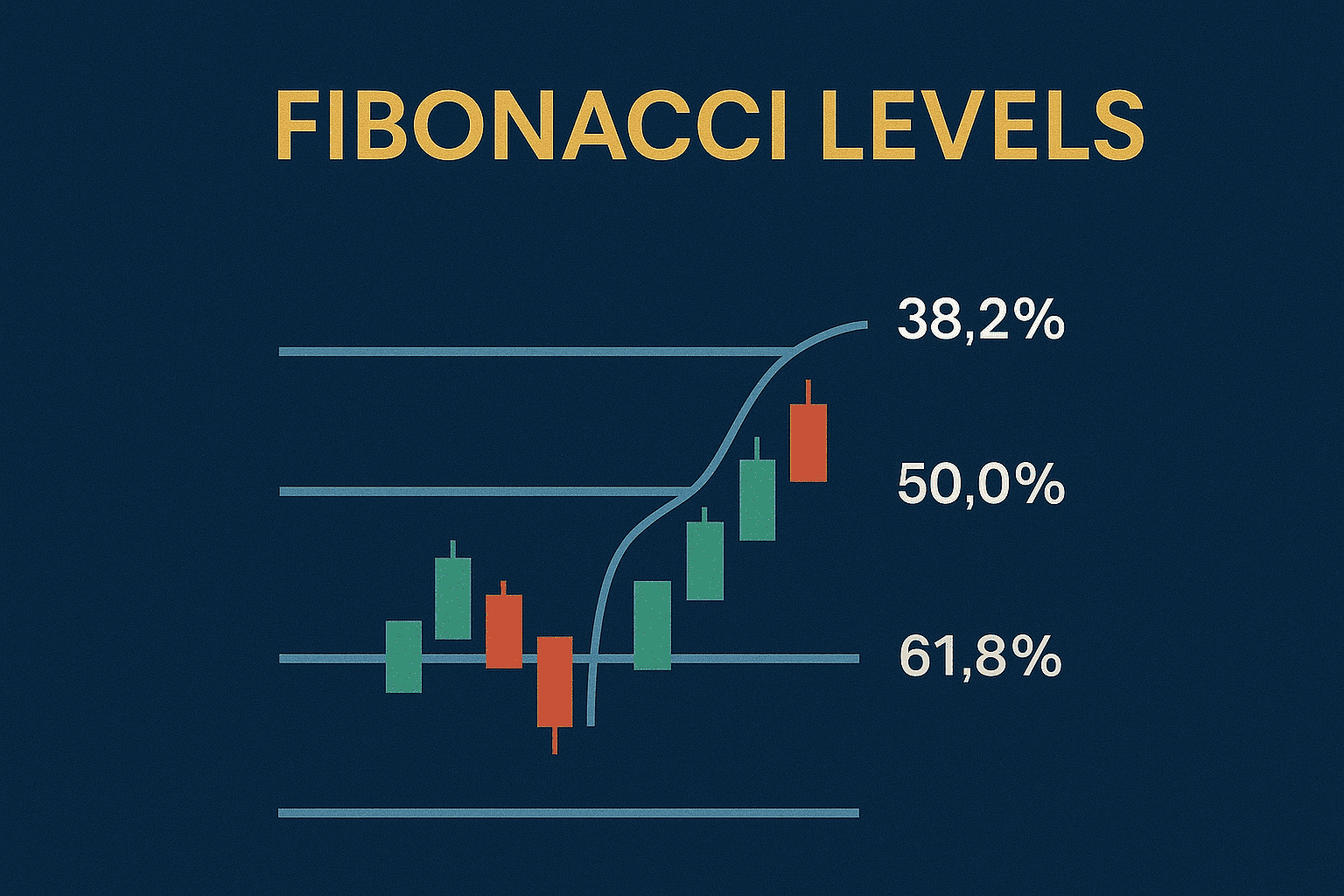
Use Fib targets (0.618, 1.618) for highly accurate TP levels.
4️⃣ Moving Average Targets
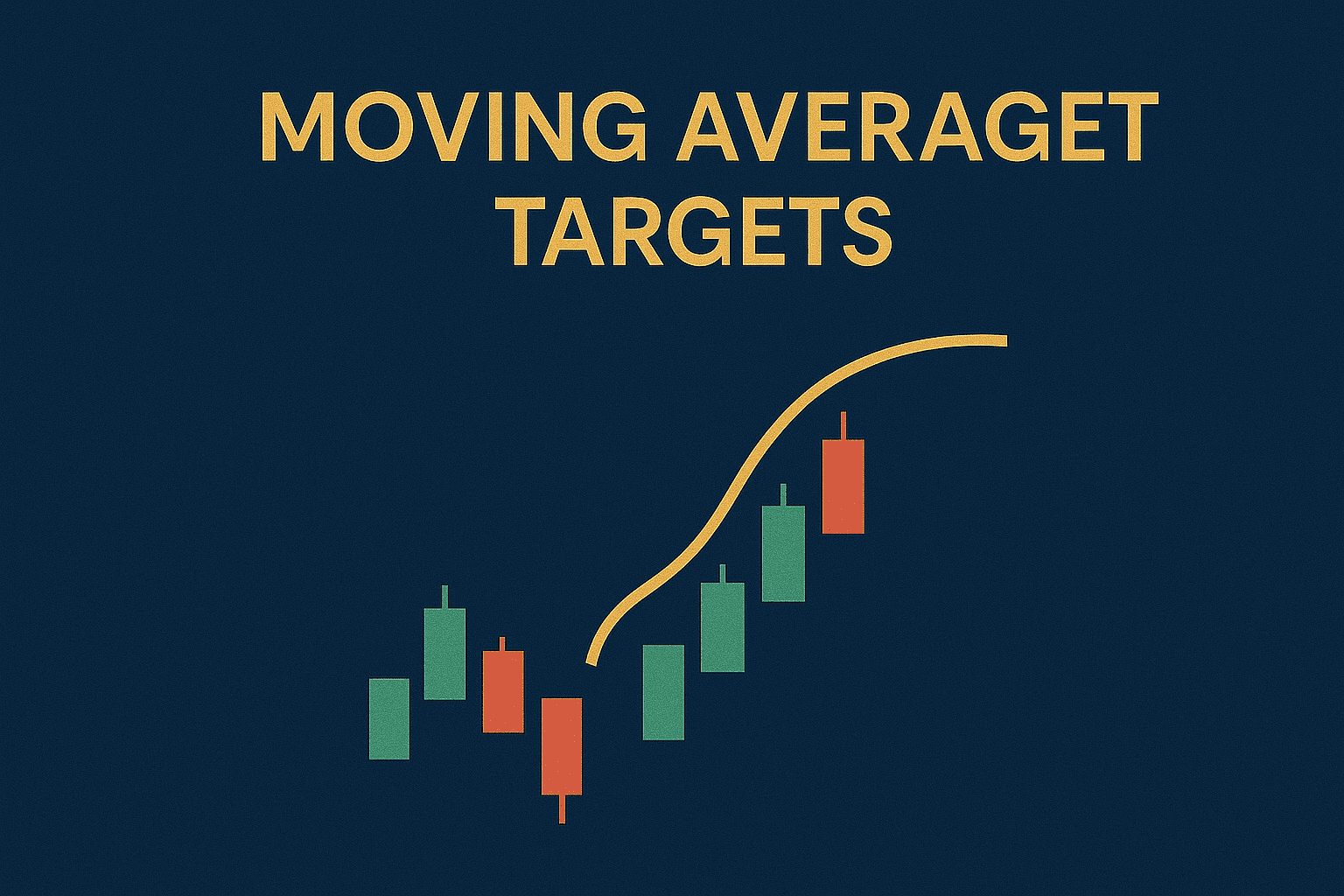
When price touches or breaks major MAs like:
- 20 EMA
- 50 EMA
- 200 EMA
Good for swing trades.
5️⃣ Supply–Demand Zones
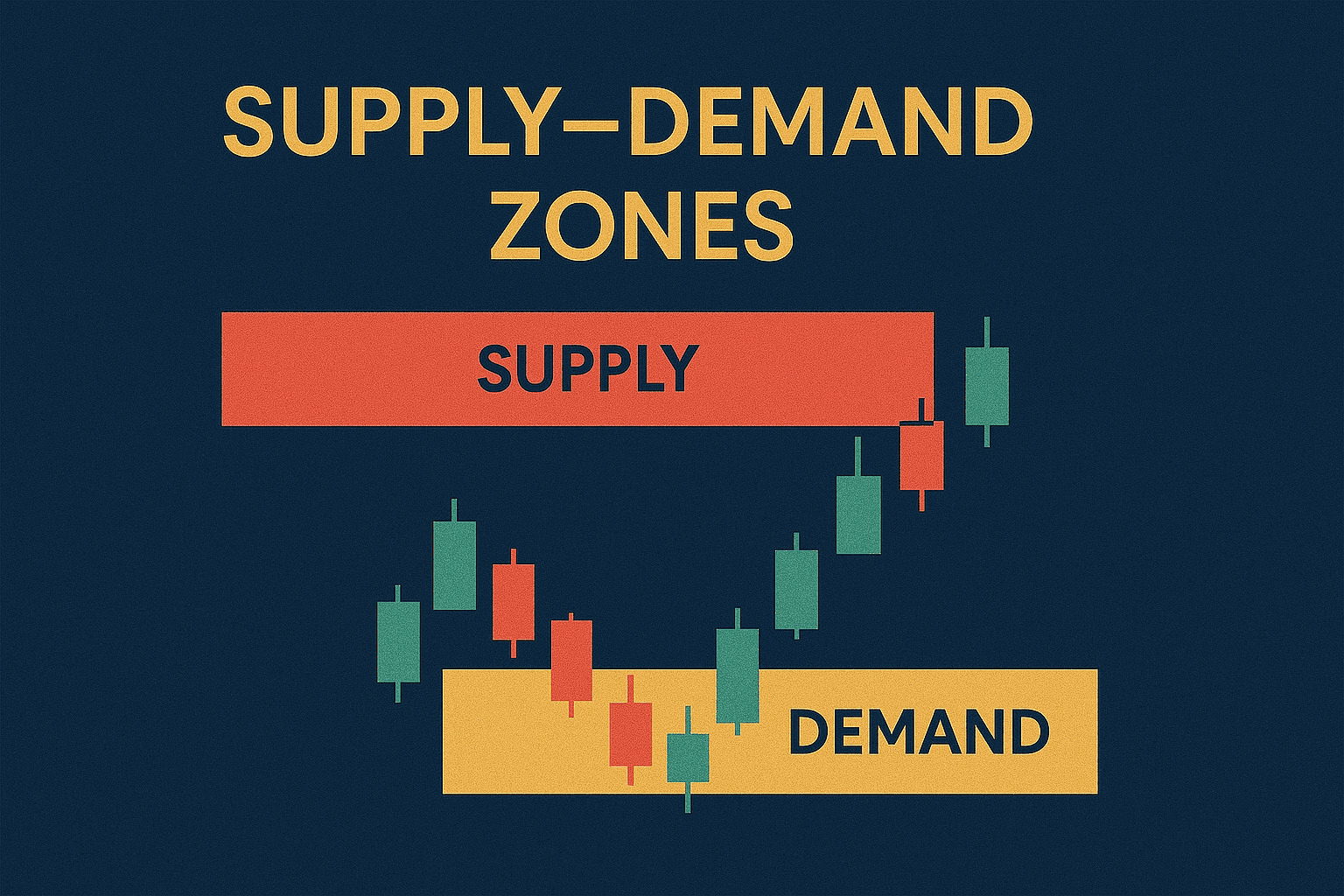
TP at major supply zones is extremely effective.
🌟 Real Example of Stop Loss & Take Profit
Example Trade
- Stock: Reliance
- Buy Price: ₹2,500
- Support: ₹2,480
- Resistance: ₹2,540
Setting Stop Loss:
Put SL near technical support:
👉 Stop Loss = ₹2,475
Setting Take Profit:
Based on resistance:
👉 TP = ₹2,540
Risk–Reward:
- Risk: ₹2,500 – ₹2,475 = ₹25
- Reward: ₹2,540 – ₹2,500 = ₹40
RRR = 1:1.6 → Acceptable
❌ Common Mistakes Traders Make
Here are the biggest mistakes beginners make:
1️⃣ Setting SL Too Tight
Stops get hit easily and you miss big moves.
2️⃣ No RRR Strategy
Taking ₹10 profit but losing ₹50 is financial suicide.
3️⃣ Moving SL Away Out of Fear
Never do this — you turn small losses into big ones.
4️⃣ Not Booking Profit
Waiting too long ruins good trades.
5️⃣ Trading Without a Plan
Enter → Market reverses → Panic → Big loss.
This happens when SL/TP isn’t predefined.
🧠 Pro Traders’ Secrets for SL & TP
Here’s what professional traders actually do:
✔ Always Decide SL/TP Before Entering the Trade
Not after entering.
✔ Never Risk More Than 1–2% Per Trade
Anything above this is gambling.
✔ Use Trailing Stop Loss
Lock profits as price moves in your favor.
✔ Combine Technical + Volatility Levels
This creates the most accurate SL/TP zones.
✔ Journal Every Trade
Track your mistakes and improve faster.
📌 Stop Loss & Take Profit Strategies for Different Trading Styles
1️⃣ Intraday Trading
- Use tighter SL (0.3%–0.7%)
- Use ATR or candle lows
- TP usually 1:2 or 1:3
2️⃣ Swing Trading
- Wider SL based on structure
- TP on key resistance levels
- Use trailing SL for big moves
3️⃣ Breakout Trading
- SL below breakout candle
- TP at next resistance or measured move
4️⃣ Trend Following
- SL on 20/50 EMA
- TP with trailing EMA exits
📦 Conclusion: The Formula for Long-Term Trading Success
If you truly want to grow in trading, remember this:
👉 Your profits come from discipline, not predictions.
👉 Stop Loss protects your account.
👉 Take Profit protects your earnings.
A trader without SL & TP is guaranteed to blow up — it’s just a matter of time.
Master these two tools and you’ll automatically become:
- More confident
- More consistent
- More profitable








Leave a Reply